Nuclear Marine Corporation
Transforming maritime operations for a sustainable and eco-friendly future.
Whoever rules the waves rules the world. ( Admiral Alfred Thayer Mahan )


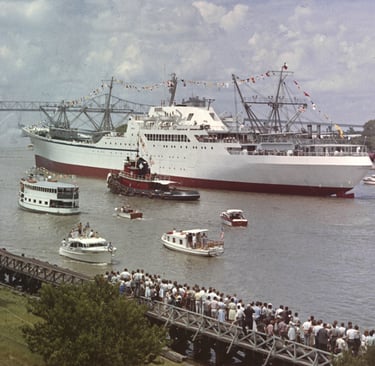
NS Savannah , 1962
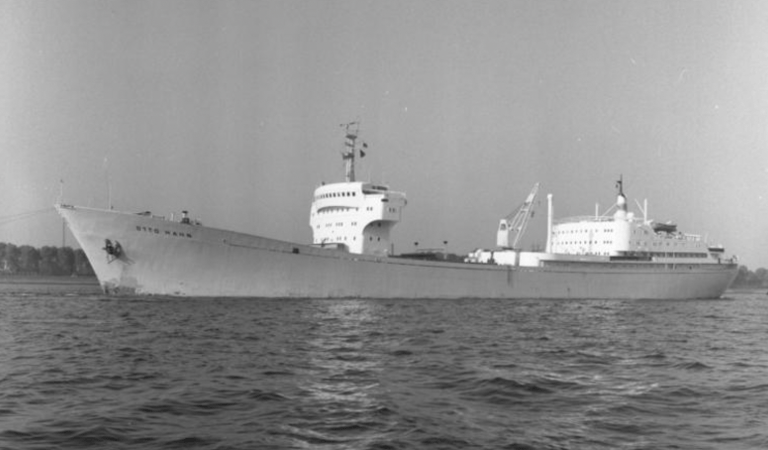
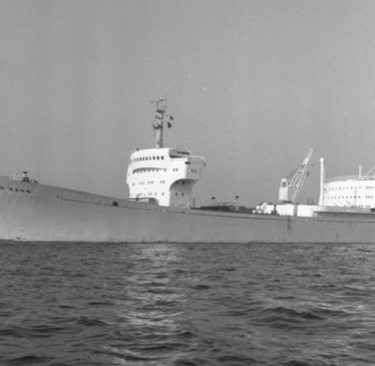
NS Otto Hahn , 1970
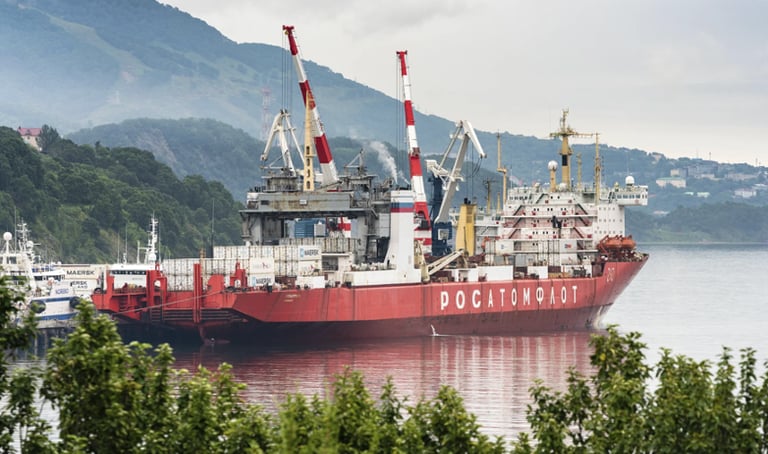
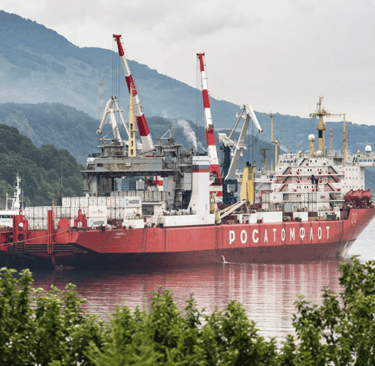
NS Sevmorput , 2021
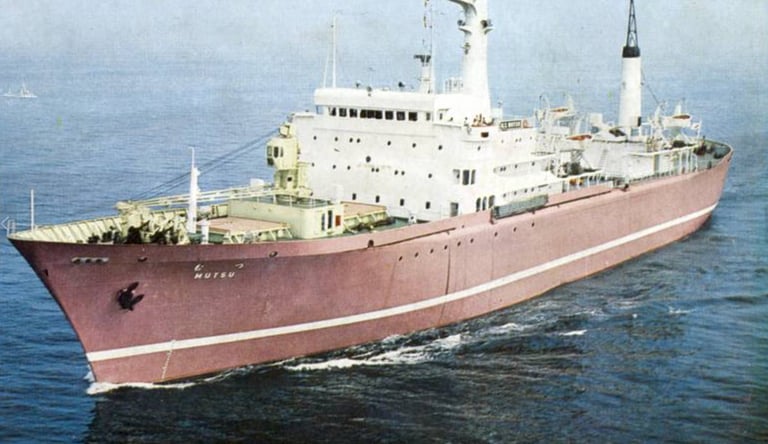
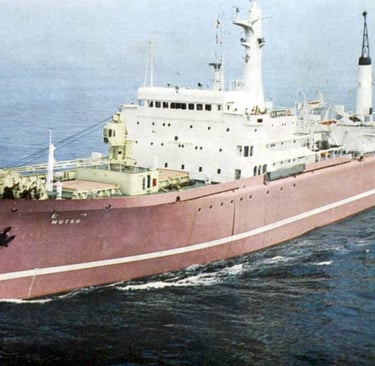
NS Mutsu , 1990
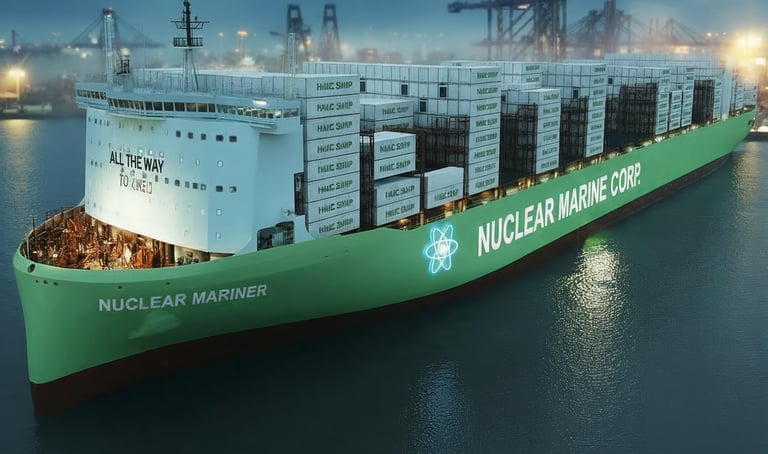
NS Nuclear Mariner , 2034

The commercial opportunity
The world merchant fleet numbers roughly 100,000 ocean-going ships, of which around half are of medium or large size. Within that, some 10,000 large and very large vessels, crude tankers, container ships, car carriers, bulk carriers and gas carriers, operate on deep-sea trades where voyages run to thousands of miles and fuel consumption to tens or hundreds of tonnes a day. These ships burn a disproportionate share of shipping's fuel and emit a disproportionate share of its carbon. They are the natural first market for nuclear propulsion.
The economics are moving in nuclear's favour. The IMO has committed shipping to net-zero greenhouse-gas emissions by or around 2050 and is finalising a global fuel standard and carbon-pricing mechanism; the EU Emissions Trading System has applied to shipping since 2024 and FuelEU Maritime since 2025; and the Carbon Intensity Indicator exposes poorly rated ships to corrective-action requirements and charterers' scrutiny. Together these create a compounding cost on fossil-fuel operation that rises through the 2030s. Our lifecycle economic modelling, built on the real cost structures of commercial ship operation rather than theoretical projections, indicates that for large vessels on long-distance trades nuclear propulsion can outperform conventional and alternative fuels over the life of the ship under a wide range of carbon-price and fuel-price scenarios, and that the advantage widens as carbon costs rise.
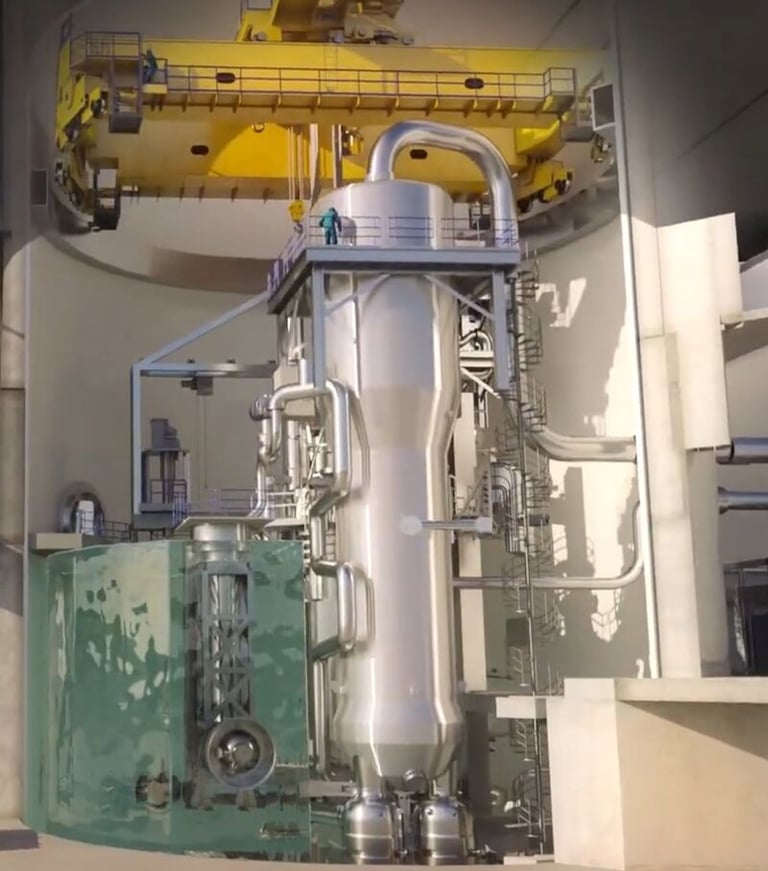
Floating nuclear power is a parallel opportunity of similar scale. A second generation of floating platforms built around small modular and microreactors is now in development worldwide, aimed at coastal and island electrification, port and shore-power supply, desalination, data centres and offshore industry. Nuclear Marine Corporation is developing an integration architecture designed from the outset for this multi-application deployment.
A market never fully realised
Nuclear propulsion has operated safely in naval submarines and surface ships for seven decades. In the civil sector, four nuclear-powered cargo ships were built in the twentieth century: the American NS Savannah (launched 1959, in service 1962–1971) as a demonstration of peaceful nuclear power; the German Otto Hahn, which completed 126 voyages carrying ore between 1968 and 1979; the Japanese Mutsu, whose troubled programme ended with successful trials in the early 1990s; and the Soviet-built Sevmorput, a nuclear container and barge carrier commissioned in 1988 and still in Russian state service. Each proved that a nuclear merchant ship can be designed, built and operated safely.
Nuclear Marine Corporation is at an early and deliberate stage of development, advancing its technical and commercial work towards the engineering-validation and regulatory-engagement milestones that will define the first generation of nuclear maritime deployment. We are building what the industry will need, before the industry fully arrives.
Contact Us
Get in touch for consultancy on nuclear technology and sustainable maritime solutions. We're here to help you navigate the future of shipping.
Phone:
Address:
Address:
Phone:
167-169 Great Portland Street, 5th Floor, London/UK, W1W 5PF
+44-20-3432-1434
+1-832-862-3562


440 Louisiana Street, Suite 900, #1008, Houston, 77002

